How Octopus Agile Works
Octopus Agile is a time-of-use electricity tariff that tracks the wholesale electricity market. Prices are published at 4pm each day for the following day, broken into 48 half-hour slots. Each slot has a different price per kWh, ranging from negative prices (you get paid to use electricity) to over 35p per kWh during peak demand.
Typical Agile pricing follows predictable daily patterns. Overnight rates between midnight and 5am are usually 5-12p per kWh, sometimes dropping to zero or negative during periods of high wind generation. Daytime rates from 9am to 4pm average 15-20p per kWh. Peak evening rates from 4pm to 7pm can reach 25-45p per kWh, particularly during winter when demand is highest.
The average Agile rate over 2024-2025 has been approximately 18-22p per kWh, often lower than the standard variable tariff cap. However, the real value of Agile comes not from the average rate but from the spread between cheap and expensive periods, which is where solar and battery storage create dramatic savings.
- Prices change every 30 minutes, published at 4pm daily
- Overnight rates: typically 5-12p/kWh (sometimes negative)
- Daytime rates: typically 15-20p/kWh
- Peak evening rates: can reach 25-45p/kWh
- Average annual rate: 18-22p/kWh in 2024-2025
Negative pricing periods mean Octopus pays you to use electricity. These typically occur during windy nights when there is excess wind generation on the grid. With a battery, you can charge for free or get paid to charge and then use that electricity during expensive peak periods.
Tariff Arbitrage with Battery Storage
Tariff arbitrage is the strategy of buying electricity when it is cheap and using it when it is expensive. With a home battery and Octopus Agile, this happens automatically and can save £300-600 per year on top of the savings from solar self-consumption.
The basic strategy is straightforward. Your battery charges from the grid overnight when Agile rates are at their lowest, typically 5-10p per kWh. During the day, your solar panels charge the battery with free solar energy. In the evening peak period when Agile rates reach 30-45p per kWh, your home runs on stored battery energy instead of expensive grid electricity.
The saving per cycle depends on the price spread. If you charge at 7p per kWh overnight and avoid buying at 35p per kWh in the evening, you save 28p for every kWh your battery stores and dispatches. A 10kWh battery cycling once daily at this spread saves £1,022 per year from arbitrage alone. In practice, the spread varies daily, but annual savings of £300-600 from arbitrage are typical for a 10kWh battery.
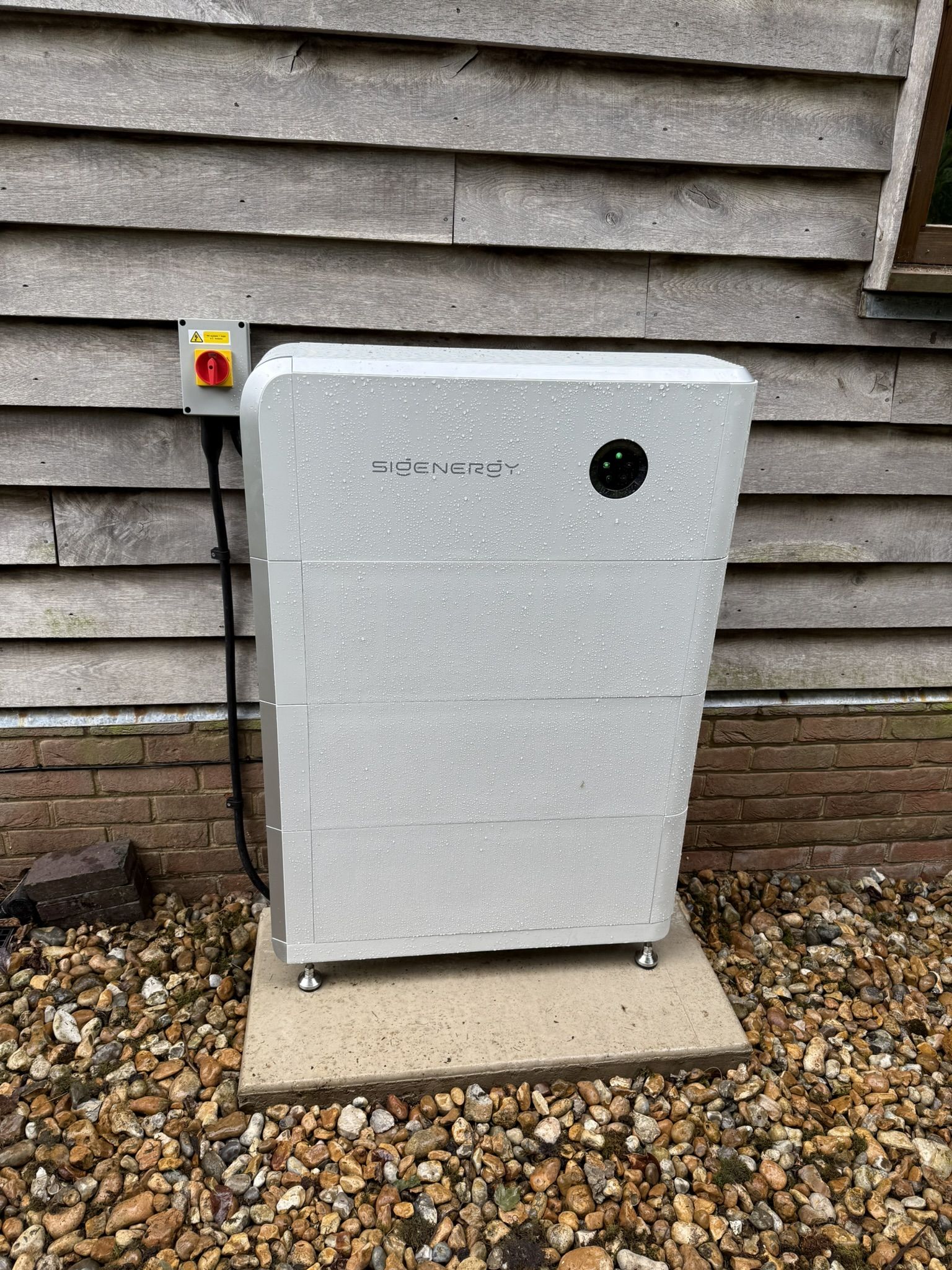
Modern hybrid inverters from Fox ESS, GoodWe, and SigEnergy all support automated Agile tariff integration. The inverter connects to the Agile API, reads the next day prices, and automatically schedules charging during the cheapest periods without any manual intervention.
- Charge battery overnight at 5-10p/kWh
- Use stored energy during peak at 30-45p/kWh
- Typical daily saving: 20-35p per kWh stored
- 10kWh battery arbitrage savings: £300-600 per year
- Automated scheduling via inverter Agile integration
Set your battery to reserve 20-30% capacity for solar charging during the day. This ensures you capture surplus solar generation while still having enough overnight charge to cover the early morning period before solar generation begins.
Octopus Agile Export: Get Paid for Your Solar
Octopus also offers Agile Outgoing, an export tariff that pays you variable rates for electricity you send back to the grid. Like the import tariff, export rates change every 30 minutes, and during peak demand periods, you can earn significantly more than fixed-rate export tariffs.
Fixed-rate export tariffs typically pay 4-6p per kWh. Agile Outgoing can pay 15-30p per kWh during peak periods, and occasionally more during supply crunches. With a battery, you can strategically export stored energy during the highest-priced windows rather than exporting excess solar as it is generated.
The export strategy works alongside import arbitrage. In a perfect cycle, you charge your battery overnight at 7p per kWh, use solar during the day for free, then export battery energy during the evening peak at 25-35p per kWh. The margin between buying cheap and selling dear adds another layer of savings.
Not all inverter brands support automated Agile export optimisation out of the box. SigEnergy and Fox ESS both offer app-based scheduling that can be configured for Agile export. Third-party energy management systems like Home Assistant can automate the process for any inverter brand.
- Agile Outgoing export rates: variable, up to 30p+/kWh at peak
- Fixed export tariffs: typically 4-6p/kWh for comparison
- Strategic battery export during peak windows maximises income
- SigEnergy and Fox ESS support Agile scheduling
- Third-party automation available via Home Assistant
Real-World Savings Calculations
To understand the total savings potential of Octopus Agile with solar and battery, we need to combine three revenue streams: reduced grid import through solar self-consumption, tariff arbitrage from battery cycling, and enhanced export income during peak windows. Our solar and battery storage page works the first two on a transparent model before any smart tariff is added.
For a typical Hampshire household with a 4kW solar system and 10kWh battery on Octopus Agile, the annual savings breakdown looks like this. Solar self-consumption saves approximately £700-900 per year by avoiding grid purchases at an average of 22p per kWh. Battery arbitrage adds £300-500 per year from the overnight-to-peak price spread. Enhanced Agile export earns £100-200 per year compared to a fixed export tariff.
The total combined saving is approximately £1,100-1,600 per year, compared to a household on a standard flat-rate tariff without solar or battery. This reduces the payback period for a complete solar-plus-battery system to 6-9 years in Hampshire, after which the savings are pure profit for the remaining 15-20+ years of the system lifespan.
These figures are based on 2025 Agile pricing patterns and Hampshire solar generation data. Actual savings depend on your specific consumption patterns, system size, and weather conditions. We provide personalised savings estimates as part of our free home survey.
- Solar self-consumption savings: £700-900/year
- Battery tariff arbitrage: £300-500/year
- Enhanced Agile export income: £100-200/year
- Total combined savings: £1,100-1,600/year
- System payback period: 6-9 years with Agile optimisation
You can switch to Octopus Agile at any time with no exit fees. If you find the variable pricing does not suit you, you can switch back to a fixed rate within days. There is no risk in trying it.
Which Battery Brands Work Best with Agile?
All three brands we install — SigEnergy, Fox ESS, and GoodWe — support time-of-use tariff integration, but they differ in how seamlessly they automate the Agile optimisation process. For Octopus’s Intelligent Flux tariff the question is different: it is currently exclusive to customers who bought solar panels and a battery from Octopus, and GoodWe is not on its eligibility list; our Intelligent Octopus Flux guide has the rates and the list.
Fox ESS offers native time-of-use scheduling through the FoxCloud app, allowing you to set charging windows to match Agile cheap periods. The system can be configured to charge from the grid overnight and prioritise solar during the day. However, fully automated Agile API integration requires a third-party platform like Home Assistant or Predbat.
GoodWe provides similar manual scheduling through the SEMS Portal, with the ability to set up to six different time-of-use periods per day. The scheduling is flexible enough to capture most Agile savings, though like Fox ESS, full automation benefits from third-party integration.
GivEnergy is widely regarded as the best battery for Agile users thanks to its open API and strong Home Assistant integration. The GivEnergy portal supports manual scheduling, and third-party tools like Predbat can fully automate charging based on Agile price forecasts. With 120,000+ UK installs, GivEnergy has the largest community of Agile users sharing optimisation tips.
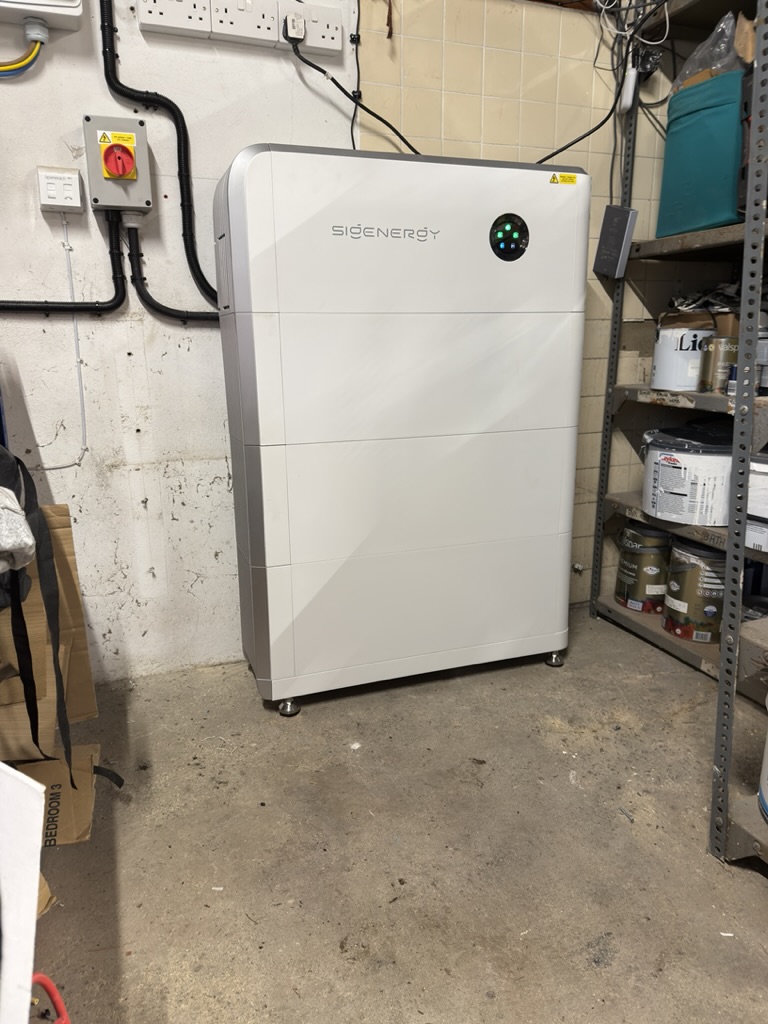
SigEnergy offers the most advanced energy management through its integrated controller, which can be configured for dynamic tariff response. The system also supports vehicle-to-home (V2H) charging, meaning your EV battery can participate in tariff arbitrage too, effectively giving you 40-80kWh of additional storage capacity.
Regardless of the brand, the key requirement is a battery large enough to capture meaningful savings. We recommend a minimum of 10kWh for Agile users, with 15-18kWh providing the best balance between cost and arbitrage potential.
- Fox ESS: FoxCloud app scheduling, third-party automation recommended
- GoodWe: SEMS Portal with 6 daily time periods, flexible scheduling
- SigEnergy: Advanced energy management with V2H support
- Minimum recommended battery: 10kWh for Agile optimisation
- Optimal battery size: 15-18kWh for maximum arbitrage savings
Related Guides
Continue reading with these related articles


Ready to Get Started?
Book a free, no-obligation home survey and get a personalised quote for your property.
Related services & guides
Ready to get it installed?
Tom and his small team fit these systems across the Solent — survey, design, DNO paperwork and install all handled by the same team.